If gender can be fluid, then language can be too
I briefly studied Judith Butler in a seminar on literary criticism I took as an undergrad. When I clicked on the link to watch this video for class, I was surprised to see her name. She had been one of my favorite authors from the course (definitely the easiest to interpret). As soon as the video began, I understand her role in it. In the course I took in college, we read excerpts of Butler’s book Gender Trouble: Feminism and the Subversion of Identity, where she explains gender as a performance and its relation to language and politics. Similarly, this video reminds us that language and politics are linked: language supports us outside of ourselves in order to help us construct our own identities.
But if we can use language to write ourselves into being, can’t society do the same for us? And doesn’t it? We are constantly being forced into boxes that mark our identities and shape our existence. Man, woman, Cristian, Muslim, black, white. Although it’s true that our society is adopting and accepting more labels as it progresses (transgender woman, agender, person of color, etc.), these words are still ultimately restrictive in that they do not escape the limits of language.
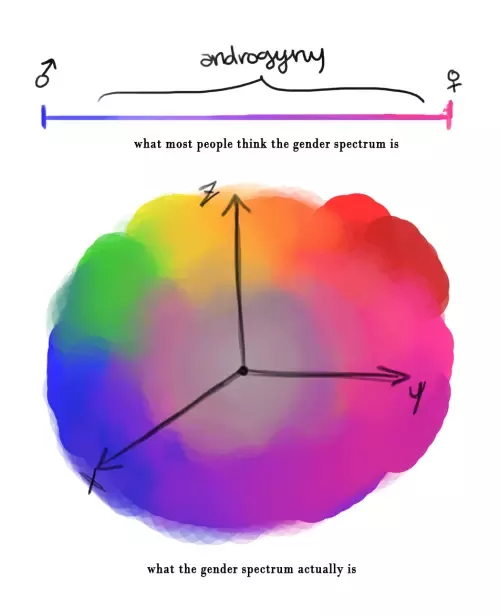
In Butler’s book, she argues that a subject assumes its identity through a process of signification in which a genderless being takes on a socially constructed gender. We do not originate from the manifold identity markers society imposes on us. Instead, we allow them to shape who we become. As members of a society who likes to categorize and define, we take part in this system of attaching meaning to signification. However, as Butler and Taylor agree, we are capable of embodying language and creating its meaning. In the video, Taylor says that disability has become a political issue. Though she’s aware that her physical body limits her, she isn’t willing to let language limit her too.
Taylor says confidently that she takes walks almost every day. With that assertion, she uses language to manifest her own identity exactly as she sees fit.
Just as the word ‘walk’ has different meanings for different people, so do identity markers, along with their connotations, assumptions, and stereotypes. We can do a lot of good for our students if we let them be as they want without imposing the confines of language on their identities and selves.
Hi Elyse,
ResponderEliminarI like how you connected gender to language. I also had studies Butler prior to the video, and she explains gender so well. You picture expresses gender well and I think more people should have that image. To often attributes are assigned to a gender and if you don't fit the mold you are seen as different. That difference is beautiful.